Fresh natural foods including trout, almonds, and berries

Wellness Through Natural Nutrition

This educational resource explores the role of natural nutrient sources in daily life. Understanding how everyday foods provide essential nutrients offers a foundation for informed dietary choices.

Food-based nutrition information helps individuals recognize the nutritional composition of common ingredients. This knowledge supports awareness of dietary variety and the importance of including diverse natural foods in regular meals.


Essential Nutrients Overview

Natural foods contain various nutrients that support normal physiological functions. The following table outlines key nutrients and their general roles in the body:

Nutrient General Role in Body Natural Food Sources
Selenium Supports normal immune function and metabolic processes Brazil nuts, mushrooms, whole grains, fish
Vitamin E Acts as an antioxidant, supports cellular health Almonds, spinach, sunflower seeds, olive oil
Folate Important for cell division and DNA synthesis Leafy greens, legumes, asparagus, avocado
Magnesium Involved in muscle and nerve function Pumpkin seeds, dark leafy greens, legumes, nuts
Omega-3 Fatty Acids Support cardiovascular and cognitive function Fatty fish (salmon, trout), flaxseeds, walnuts

Featured Natural Food Sources

The following examples illustrate how everyday foods serve as natural sources of important nutrients:

Fresh trout fillet with lemon

Trout

Trout is a natural source of omega-3 fatty acids and selenium. These nutrients support cardiovascular function and normal immune responses in everyday nutrition.

Raw almonds on a warm background

Almonds

Almonds provide vitamin E and magnesium. Both nutrients play roles in cellular protection and muscle function as part of regular dietary intake.

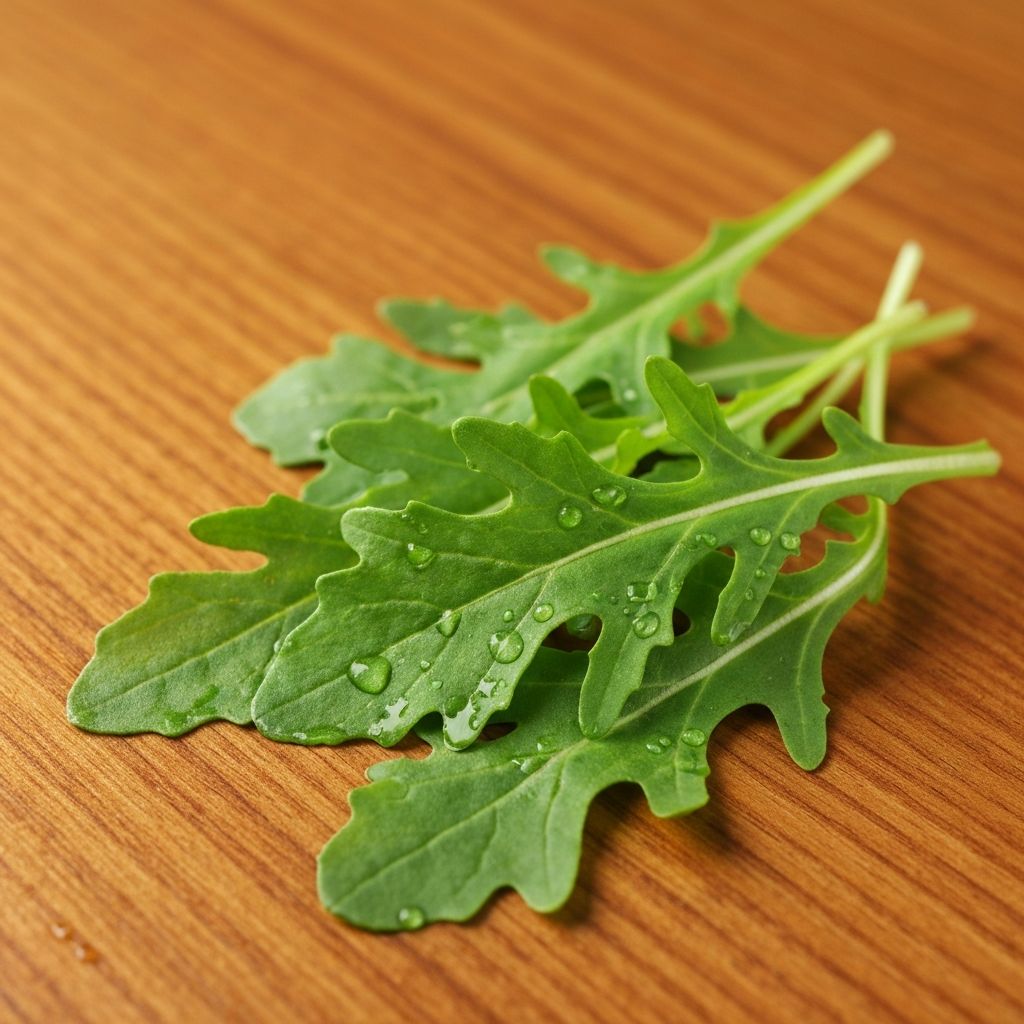
Fresh green arugula leaves with water droplets

Arugula

Arugula contains folate and vitamin K. These nutrients support normal metabolic processes and bone health as components of everyday meals.

Selenium in Everyday Diet

Selenium is a trace mineral found in various natural foods. It plays a role in normal thyroid function and supports antioxidant defenses in the body.

Common dietary sources of selenium include Brazil nuts, mushrooms, whole grains, and seafood. Including these foods in regular meals contributes to adequate daily intake.

Variety of selenium-rich foods including Brazil nuts and mushrooms

Vitamin E as a Natural Antioxidant

Vitamin E rich foods including sunflower seeds and spinach

Vitamin E functions as an antioxidant in the body, supporting cellular protection. This nutrient is present in various plant-based and animal-based foods.

Natural sources include nuts, seeds, vegetable oils, and leafy greens. Regular consumption of these foods contributes to maintaining adequate vitamin E levels as part of a varied diet.

Folate in Daily Nutrition

Folate, also called vitamin B9, plays an important role in cell division and DNA synthesis. It is naturally present in many foods and is essential for normal metabolic functions.

Dietary sources of folate include leafy green vegetables, legumes, asparagus, and avocado. Including these foods in regular meals supports healthy nutritional status. The body's requirement for folate is consistent throughout adult life, and dietary diversity ensures adequate intake.

Magnesium in Natural Foods

Magnesium is a mineral involved in muscle and nerve function, energy production, and protein synthesis. It is found in numerous natural food sources.

Foods rich in magnesium include pumpkin seeds, leafy greens, legumes, and nuts. Consuming a variety of these foods supports adequate magnesium intake as part of everyday nutrition.

Magnesium-rich foods including pumpkin seeds and lentils

Antioxidant-Rich Natural Foods

Antioxidants are compounds found in natural foods that help protect cells from oxidative stress. Many colorful fruits, vegetables, and whole foods contain these beneficial compounds.

Fresh mixed berries including blueberries and raspberries

Berry Sources: Blueberries, raspberries, and blackberries are rich in anthocyanins and other antioxidants. These compounds support overall cellular health.

Vegetable Sources: Dark leafy greens, colorful vegetables, and cruciferous vegetables (broccoli, cabbage) provide various antioxidant compounds that support normal physiological functions.

Dark leafy greens and colorful vegetables

Nutrition and Lifestyle Context

Nutritional science recognizes that food choices form one component of overall daily living. Natural, whole foods provide nutrients that support normal bodily functions.

Regular, varied dietary intake including diverse natural foods supports adequate nutrient consumption. This foundational knowledge helps individuals understand how everyday foods contribute to normal physiological processes.

Importance of Variety in Meals

Dietary variety ensures exposure to a wide range of nutrients. Different foods contain different nutrient profiles, so consuming a diverse selection supports comprehensive nutritional intake.

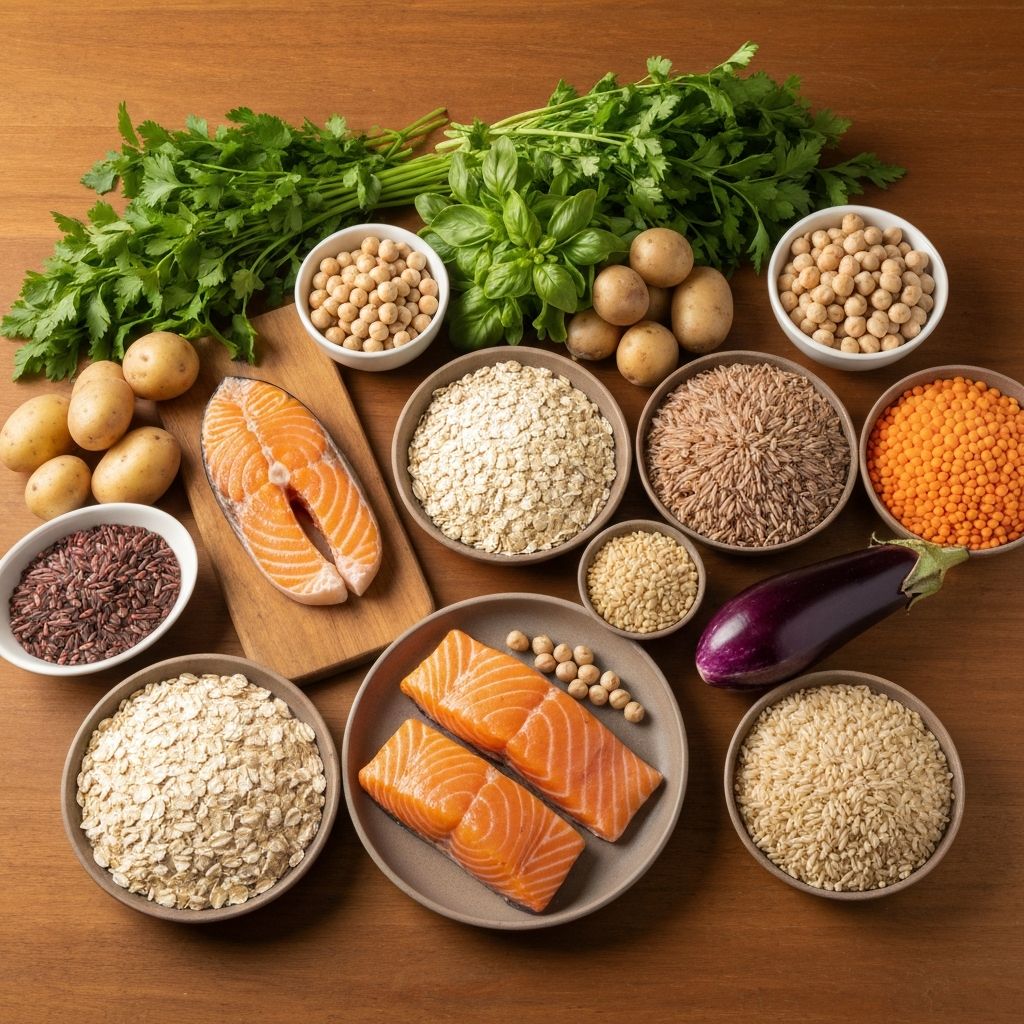
Diverse colorful foods arranged together

Including various natural foods—different vegetables, fruits, whole grains, legumes, nuts, and fish—creates a nutritionally complete diet. This approach reflects standard dietary guidance emphasizing food diversity.

Regular Intake and Daily Nutrition

Consistent, daily consumption of varied natural foods supports stable nutrient intake. Regular dietary patterns help maintain normal nutritional status over time.

Rather than focusing on individual nutrients, an emphasis on overall dietary pattern—including whole foods, regular meals, and variety—supports natural, sustainable nutrition as part of daily living.

Everyday nutritious foods on warm linen cloth

Scientific Understanding of Natural Nutrients

Nutritional science provides factual information about how nutrients function in the body. This knowledge helps explain why diverse, whole foods are valued in human diets.

Scientific research has identified specific nutrients and their roles in normal physiological processes. Understanding these roles provides context for why certain foods are nutritionally valuable.

However, nutrition operates within individual variation. Dietary needs differ based on age, sex, activity level, and overall health status. This educational content provides general information without addressing individual dietary needs.

Educational Content Only. This resource provides informational material about natural nutrient sources and their general roles in nutrition. It does not offer individual dietary recommendations, medical advice, or promises of health outcomes. Nutritional needs vary by individual. For personalized guidance regarding your specific dietary needs, please consult a healthcare professional or registered dietitian.

Learn More About Natural Nutrition

Explore additional information about nutrient sources and their roles in everyday eating.

View Frequently Asked Questions

Educational Content Only

No promises of outcomes. Information for educational purposes.